
How to choose a fulfillment center in China (and test it before you commit)
A warehouse is more than shelves. Write a brief, check receiving, stock control and cost visibility, and run a pilot with a real exception.
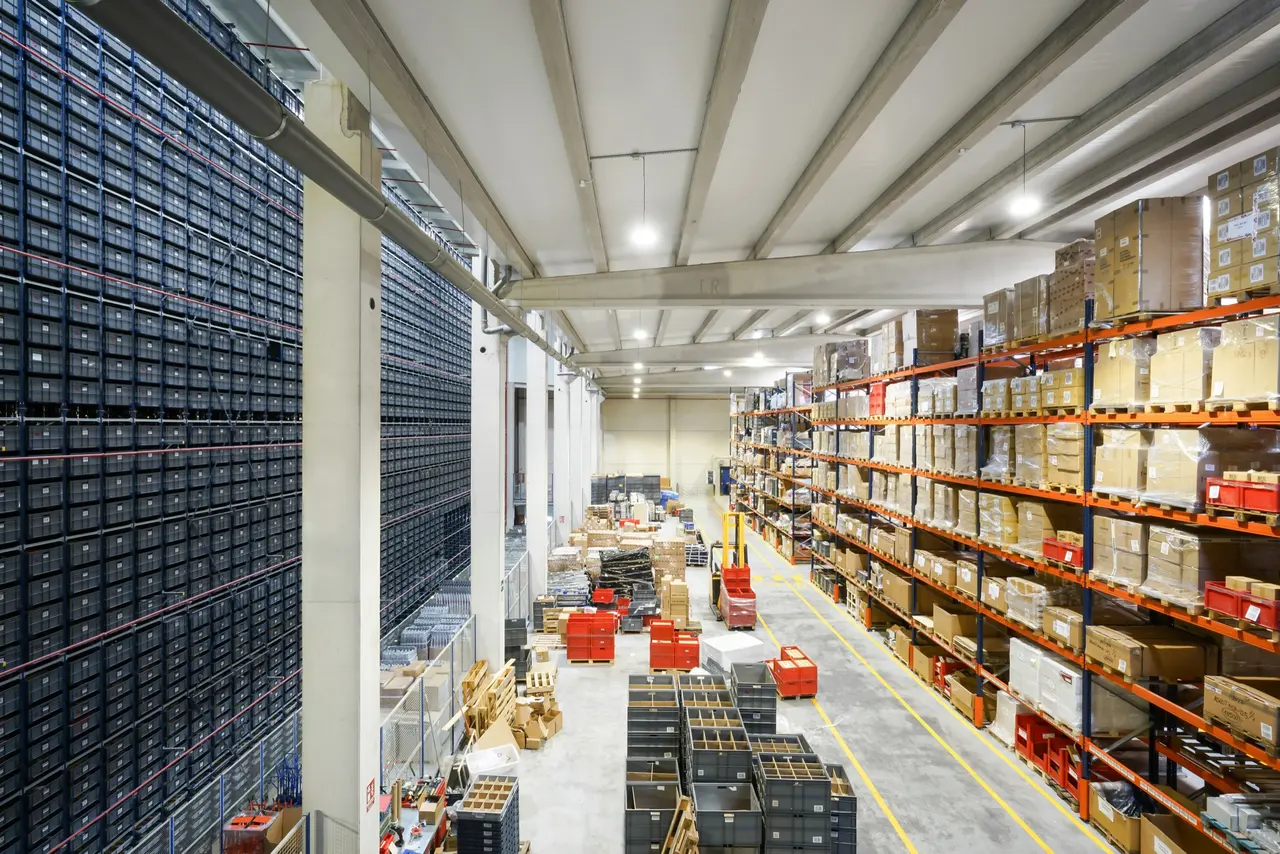
A fulfillment center in China is a working part of your supply chain, not just a place to store cartons. It affects how accurately goods are received, inspected, consolidated and dispatched, and how well the handoff to Spain or Japan goes.
In short
- Match the facility to your SKU complexity, order pattern and delivery promise.
- Check receiving, inventory, QC, consolidation and exceptions before comparing prices.
- Run a pilot to measure data accuracy and reliability.
Start with a warehouse brief
Describe your real workload rather than asking for a generic storage rate: active SKUs, unit and carton identifiers, number of suppliers, typical receipt size, storage conditions and expected order pattern. Bulk replenishment for a distributor and individual customer orders need very different handling, even if they take the same shelf space.
Attach an example packing list and an outbound instruction. Explain whether goods arrive labeled, need sorting by variant, need inspection or wait for several suppliers before consolidation. Ask which tasks the facility can't do. A stated limit is easier to plan around than a vague promise to do everything.
A facility assessment worksheet
- Receiving: ask for an example receipt linking supplier, purchase order, SKU, carton quantity and discrepancy photos. Who resolves an unidentified carton?
- Stock status: can they tell accepted, reserved, damaged and inspection-held units apart? Could a held lot appear in a dispatch list by mistake?
- Locations: how are variants separated and moves recorded? Ask for a demo with two similar products.
- Release: who authorizes packing, substitutions, repacking and the final carrier handoff? Changed instructions should leave a record.
- Costs: receiving, storage, inspection, picking, packaging, consolidation and exceptions as separate fees, with the unit for each.
Run a pilot that includes an exception
Use one product family with enough variation. Send the expected receipt before the supplier delivers, then compare the warehouse count with your packing list and check that cartons and individual units are recorded separately. Measure when the stock becomes available to release, not when the truck arrives.
During the pilot, change an instruction on purpose, for example hold one variant and release the rest. Ask the warehouse to acknowledge the new list and show the stock status, and check that the held variant stays physically identifiable. That's the control you'll need when a real quality problem appears.
At the end, match each invoice fee to an event or agreed service. If an extra sorting charge appears, find out whether sorting was missing from your brief or the supplier broke the packing requirements, before you discuss the amount.
Also test the destination handoff. A Spain distributor may need information for the receiving appointment and carton reconciliation; a Japan importer may need product-version and quantity records. Confirm those with your real destination partner.
Make the first agreement usable
Attach the brief, pilot findings, fee schedule, report format and release authority to the contract. Name an escalation contact for missing goods, count differences, damage and urgent changes. Agree how your stock and order records are exported if you leave, and how unshipped goods are counted and transferred.
Ask for a report with opening stock, receipts, releases, adjustments and closing stock for the pilot, and check that you can reproduce the closing balance from the movements. A nice dashboard isn't proof.
Compare the pilot with your current process using the same definitions: availability of accepted stock, order accuracy, open discrepancies and total handling cost. Scale up only after the team has fixed what the trial showed.
FAQ
Is the cheapest China warehouse the best choice?
Not necessarily. Compare receiving accuracy, inventory control, inspection, handling, storage, consolidation, dispatch and exception costs on the same scope.
What should a warehouse agreement define?
Receiving, stock ownership, inspection, storage, release, damage, documents, fees, reporting and who owns each exception.
When does a China warehouse make sense?
When goods come from several suppliers, need inspection or consolidation, or require a controlled release before international shipping.
Keep reading
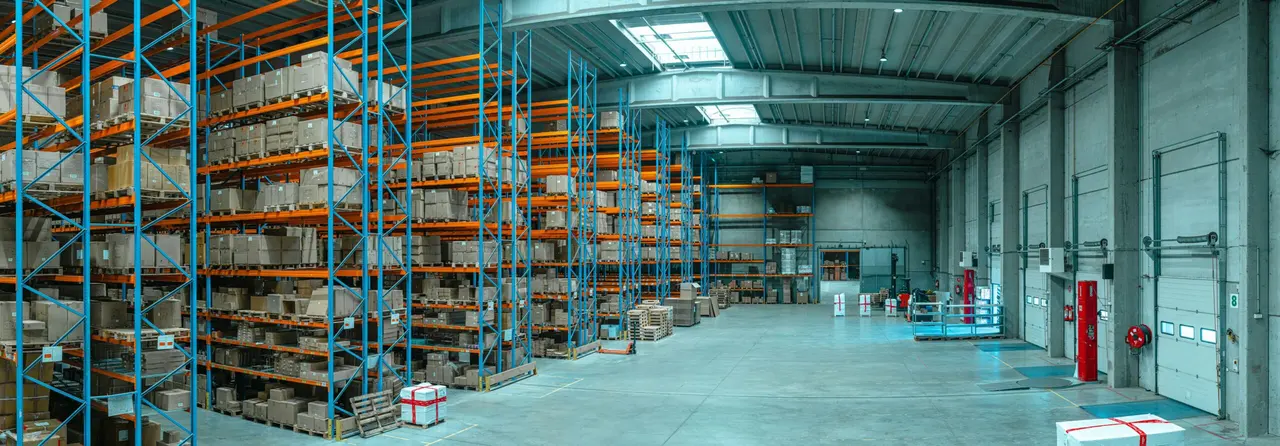 Operations & inventory
Short-video sales spikes: how to keep your supply chain ahead of demand
A video can sell out your stock in a weekend. Here is how to share inventory across channels and set limits before a campaign goes live.
Read article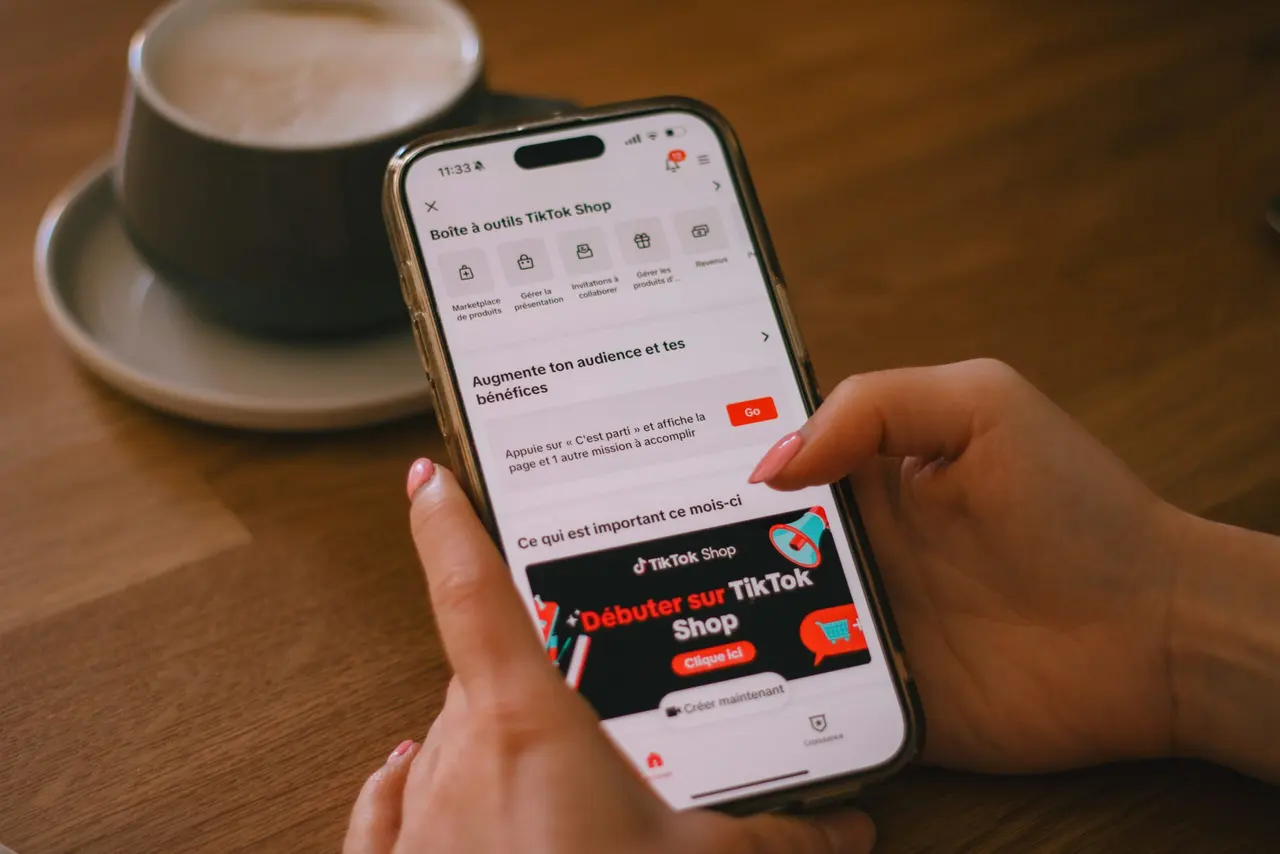 Operations & inventory
TikTok Shop: set your stock and packing limits before you promote
TikTok Shop can multiply orders overnight. Use a simple go/no-go checklist so stock, quality and packing keep up with the campaign.
Read article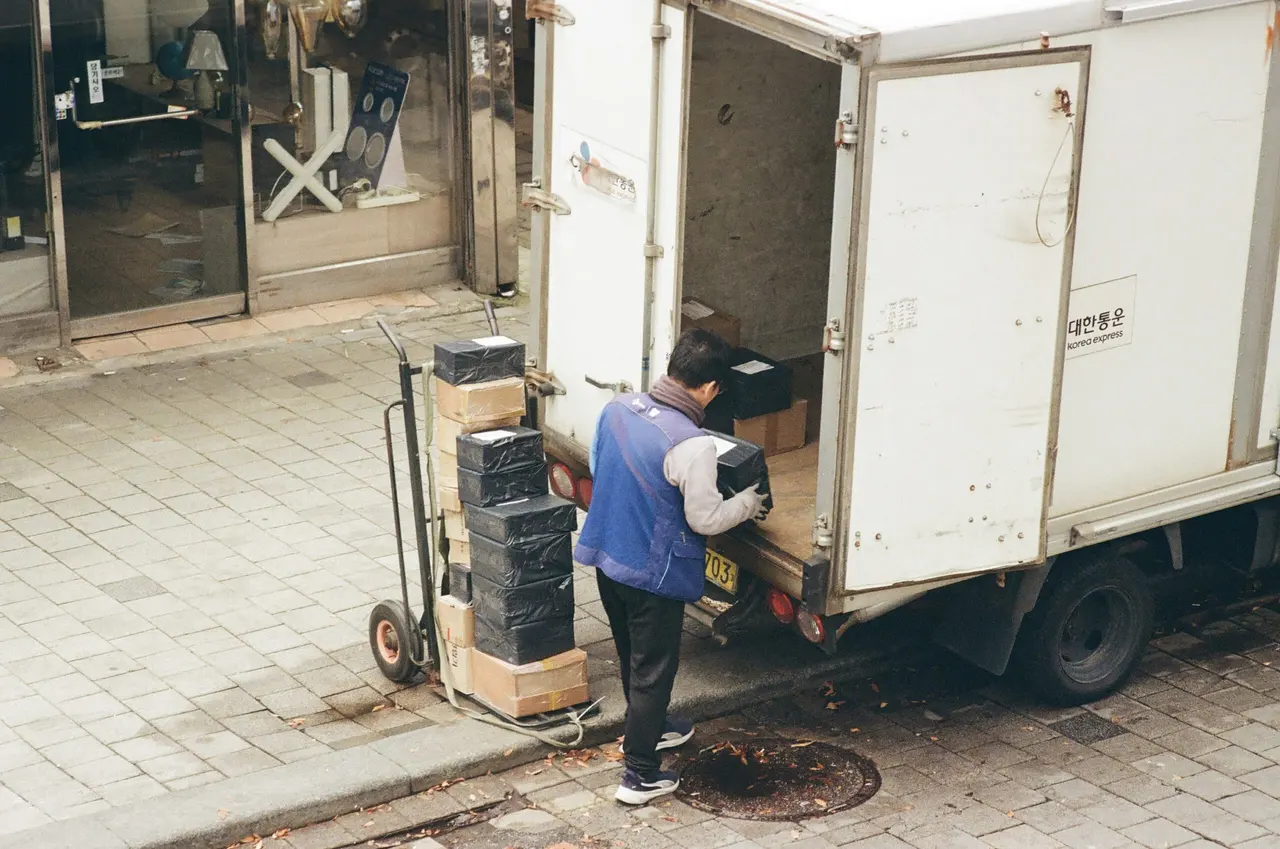 Operations & inventory
Shopify fulfillment from China: what has to happen behind each order
Your store promises a delivery date. This is the order flow, daily checks and stock rules that let your China fulfillment keep that promise.
Read article