
One-piece fulfillment vs bulk inventory: which model fits your business?
Ship each order as it sells, or hold stock in a warehouse? Compare cost, speed, flexibility and risk, and when a hybrid model works best.
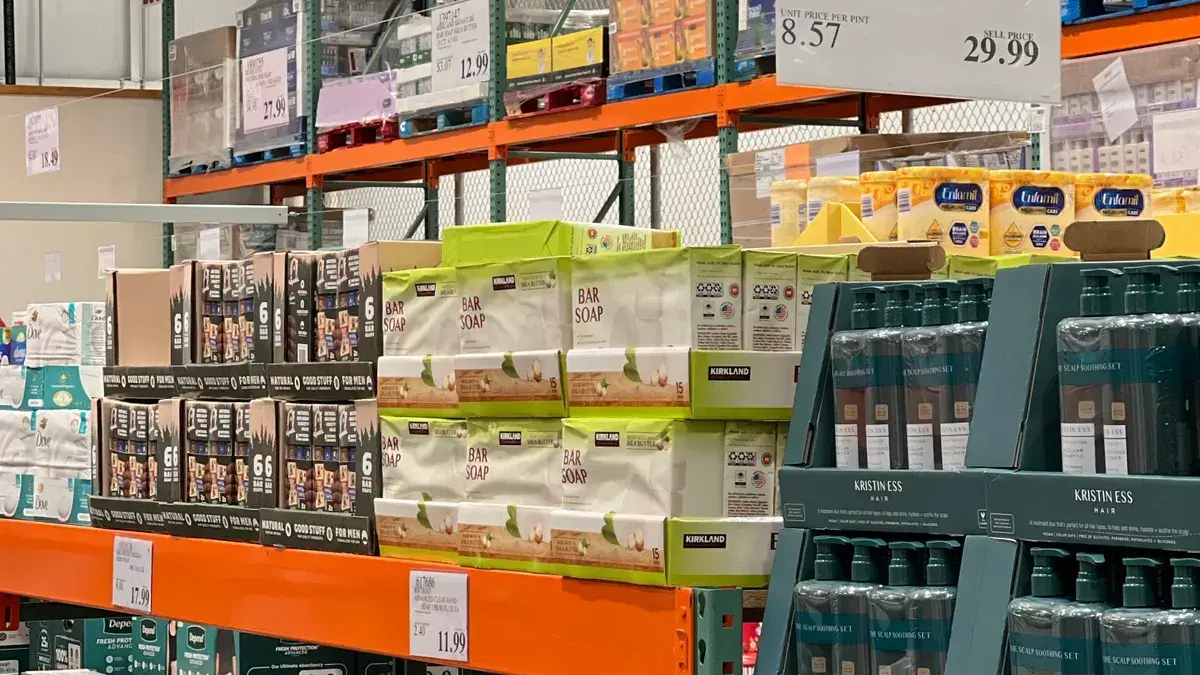
How you fulfill orders affects your costs, your cash, your delivery speed and how happy your customers are. There are two basic models: one-piece fulfillment, where each order is picked, packed and shipped as it sells, and bulk inventory, where you buy in volume and hold stock ready to ship. Customers expect faster delivery every year, so choosing well matters.
In short
- One-piece fulfillment processes orders without you holding extra stock. It suits small businesses, testing and dropshipping.
- Bulk inventory ships faster and usually gets better supplier prices. It suits steady sales and popular products.
- Think about your order volume and product type. One-piece is flexible; bulk gives more control and efficiency.
- Good inventory management matters in both.
What each model means
One-piece fulfillment. You send out each order right after someone buys it. You don't keep a large stock: you pick, pack and ship items one at a time. It's popular with dropshippers because it keeps you flexible and lowers risk.
Bulk inventory. You buy many items at once and store them in a fulfillment center. That gets you better prices and means products are always ready. It's best for businesses with steady sales and popular items, because orders ship fast from stock.
| Feature | One-piece | Bulk inventory |
|---|---|---|
| Storage | Minimal, order by order | Large quantities in a warehouse |
| Upfront cost | Low | Higher (bulk purchasing) |
| Processing speed | Slower per order | Faster (items ready to ship) |
| Flexibility | High, easy to change products | Lower, best for stable lines |
| Overstock risk | Low | Higher |
| Shipping optimization | Per order | Batch and route optimization |
Key differences
Cost. One-piece keeps less stock, so storage is cheaper and your supply chain is easier to manage. Bulk gets lower supplier prices, but you may pay more for shipping and risk cash flow problems if you overbuy.
Speed. Both can process orders fast. Bulk is usually faster because items are already in the warehouse. With one-piece, you can group shipments from several suppliers to get better shipping prices.
Scalability. One-piece lets you change products easily but is limited by how much you can send at a time. Bulk is better for growth and big sales.
Errors and quality. Check quality at several steps, not just at the end. Aim for very high pick accuracy and keep mistakes low, watch for damage and use strong packaging.
Space. Warehouses charge by space used (per cubic foot per month, flexible as stock falls) or per pallet (simpler but costly if pallets aren't full). One-piece uses less space, and bulk saves when pallets are full.
Pros and cons
One-piece: you can switch products fast, keep the business simple and take little risk. The downside is less control over the process and slower processing per order.
Bulk: fast order fulfillment, less risk of running out and quantity discounts. The downsides: overstock, cash flow pressure and obsolete stock. Watch your numbers closely.
How to choose
Business type and volume. A small store or dropshipper usually does better with one-piece: handle orders as they come and avoid excess stock. A wholesaler or high-volume seller gets more control from bulk. Check your average monthly orders: steady growth points toward bulk.
Product characteristics. Fast-moving products suit bulk, so you can keep up with demand. Unique or seasonal products suit one-piece. On marketplaces like Amazon, the choice often becomes FBA for high-velocity items, merchant-fulfilled for bulky or slow-moving ones and seller-fulfilled prime-type programs for high-value or bulky items that need fast shipping without high fees.
Budget and growth. Match your marketing and finance plans, set clear growth goals and plan for storage, shipping and labor. For fast growth, bulk scales up quickly; to test products or keep costs low, one-piece gives you more control.
Customer expectations. Pick the model that lets you keep your promises: fast shipping and correct orders bring customers back, and unhappy customers leave bad reviews.
Scenarios
Ecommerce and dropshipping. You list products, and when someone buys you send the order from the supplier. You can try new products with little risk and avoid paying for storage or leftover stock. You spend more time on marketing and customers.
Wholesale and bulk. You run a retail chain or sell a lot. You buy many items at once and hold them in a fulfillment center. You ship fast, get better deals and avoid stockouts.
Hybrid. Use both. Use SKU data: send fast-selling items from stock for quick shipping, and use one-piece for slow sellers and tests. You balance cost and speed, and you can grow while keeping costs down.
How we help
We support both models from our warehouses in China and Spain: sourcing, quality checks, storage, consolidation and worldwide shipping. For one-piece, we group small orders into one shipment, which lowers shipping costs and simplifies customs. For bulk, we store and dispatch quickly. You can switch models as your business grows.
Ways to cut costs in either model: put many items into fewer shipments, make packages smaller, use strong packaging for fragile goods, seal packages to protect them on long trips and balance weight to avoid higher shipping fees.
FAQ
What is the main difference?
With one-piece, you send each order right away. With bulk inventory, you hold lots of stock and ship fast from it. Pick the model that fits your sales and needs.
How do you handle quality control?
We check your products before they ship and send photos and reports, which helps prevent mistakes and keeps customers happy.
Can I switch models later?
Yes. You can start with one and move to the other, or combine them, as your business grows.
What are the benefits of warehouses in China and Spain?
You can store goods close to the source or to your European customers, ship faster and keep track of your products easily.
Keep reading
 Operations & inventory
Short-video sales spikes: how to keep your supply chain ahead of demand
A video can sell out your stock in a weekend. Here is how to share inventory across channels and set limits before a campaign goes live.
Read article Operations & inventory
TikTok Shop: set your stock and packing limits before you promote
TikTok Shop can multiply orders overnight. Use a simple go/no-go checklist so stock, quality and packing keep up with the campaign.
Read article Operations & inventory
Shopify fulfillment from China: what has to happen behind each order
Your store promises a delivery date. This is the order flow, daily checks and stock rules that let your China fulfillment keep that promise.
Read article