
Private label in China: how to launch your brand without losing control
Putting your logo on a product is the easy part. Define the brief, protect your designs and approve the first batch with evidence.
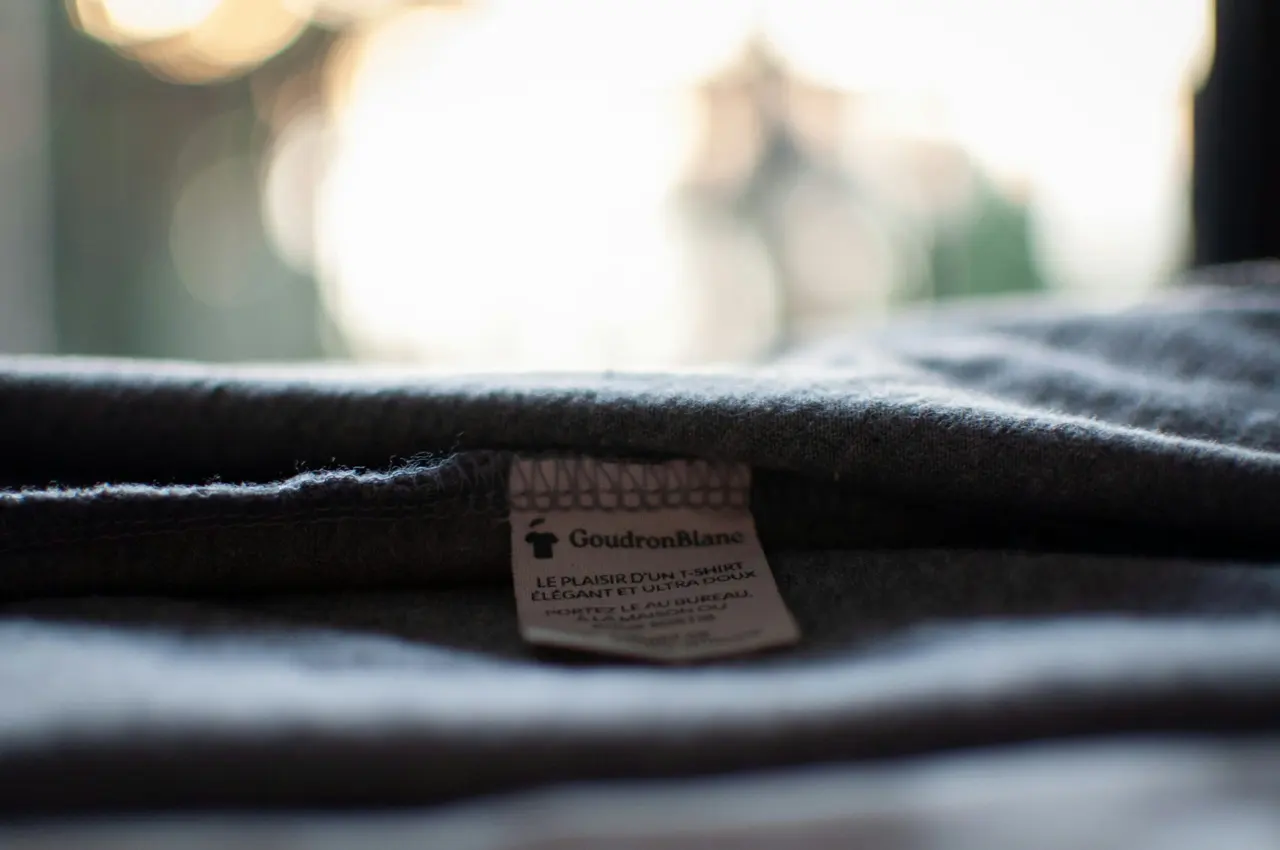
Private label is more than adding a logo. Once your name is on the box, you answer for the product. So the work starts before you contact a factory: what you are making, who owns what, and how you will approve it.
In short
- Start from a clear product brief and a realistic production path.
- Settle who owns the designs, tooling, artwork and any changes the supplier develops.
- Use gates before you scale: sample, pilot, inspection and packaging.
Write the brief first
Your brief should cover the product, packaging, labeling, quality acceptance, IP, MOQ, samples, tooling, production and delivery. Choose suppliers for how well they run their process as much as for price.
Say which parts use the supplier's existing design and which are custom. Separate the product, artwork, packaging, accessories, instructions and destination variants. Even a logo change can affect tooling, printing, minimum quantities or packaging purchases, so ask about design limits before marketing promises a launch date.
Name who on your side approves the product, the brand, purchasing, the destination and the shipment release. If the supplier gets instructions from several people with no hierarchy, you will get conflicting answers and endless sample rounds.
Keep a control register
- Product: specification, approved reference, materials, variants and quality checks.
- Brand files: each approved artwork or packaging file, its version and who can change it.
- Production assets: tooling, print plates and dies, who holds them, who owns them and who has access.
- Commercial terms: product MOQ, packaging MOQ, setup costs, sample charges and recurring unit costs, listed separately.
- Release: sample approval, destination review, first-lot inspection and dispatch in the same project record.
When product and packaging MOQ don't match
You may want a small product pilot while the printer's economical run is much bigger. Ask for packaging alternatives: plain packaging with an approved label, separately priced options, or a larger run kept for later. Compare the full commitment, storage, revision risk and cash, not just the first unit price.
Agree who owns leftover packaging and who pays to store or destroy it. And decide what happens if you change the artwork before it is used up, so a reorder doesn't become a dispute over boxes for a design you no longer sell.
Approve the first lot with evidence
Have the inspector work from the approved product and pack references. Check identity, logo placement, print version, accessories, packing count and the technical tests you agreed. Log differences separately so the right party fixes them: a passed logo check says nothing about whether the product works.
For Spain and Japan, get the destination requirements from the person responsible before mass production. A supplier's past exports don't mean your product is ready for both markets.
Keep control as you grow
Put confidentiality, permitted use, access to assets and supplier reuse into your agreements, with legal advice where needed. Keep your own copies of approved files. Physical custody of tooling and legal ownership are different things, so write down both.
Before a repeat order, check whether anything changed: supplier, artwork, material, packaging stock, destination instructions or quality requirements. Don't let an old file carry over just because the SKU name is the same. Keep the production lot reference, so any complaint can be traced to the exact version you received.
FAQ
Is private label the same as OEM?
Not always. Private label often means an existing product with your brand and packaging. OEM usually means a product or specification you define. Confirm the real development and ownership arrangement.
How can I protect my private-label design?
Use supplier controls, written agreements, limited access, production monitoring and legal advice suited to your markets.
What is the first step?
Write the product, packaging, quality, brand, IP, MOQ and delivery brief before choosing a supplier.
Keep reading
 Sourcing & suppliers
How to find a reliable supplier in China (and avoid the usual traps)
A practical checklist to shortlist, verify and test Chinese suppliers before you place your first real order.
Read article Sourcing & suppliers
How to negotiate MOQ in China and build a first order that works
A supplier's minimum order is not a fixed rule. Learn what sets it, what you can change, and how to compare a pilot order with the full MOQ.
Read article Sourcing & suppliers
China supplier due diligence: a checklist to verify before you pay
A platform profile is not proof. Verify who the supplier really is, what they can make and how they handle quality before the first order.
Read article