
Shipping from China to Spain: DDP, customs and delivery, step by step
Plan China-to-Spain shipping as an import operation. What to define before quoting, how DDP compares and how to close each shipment.
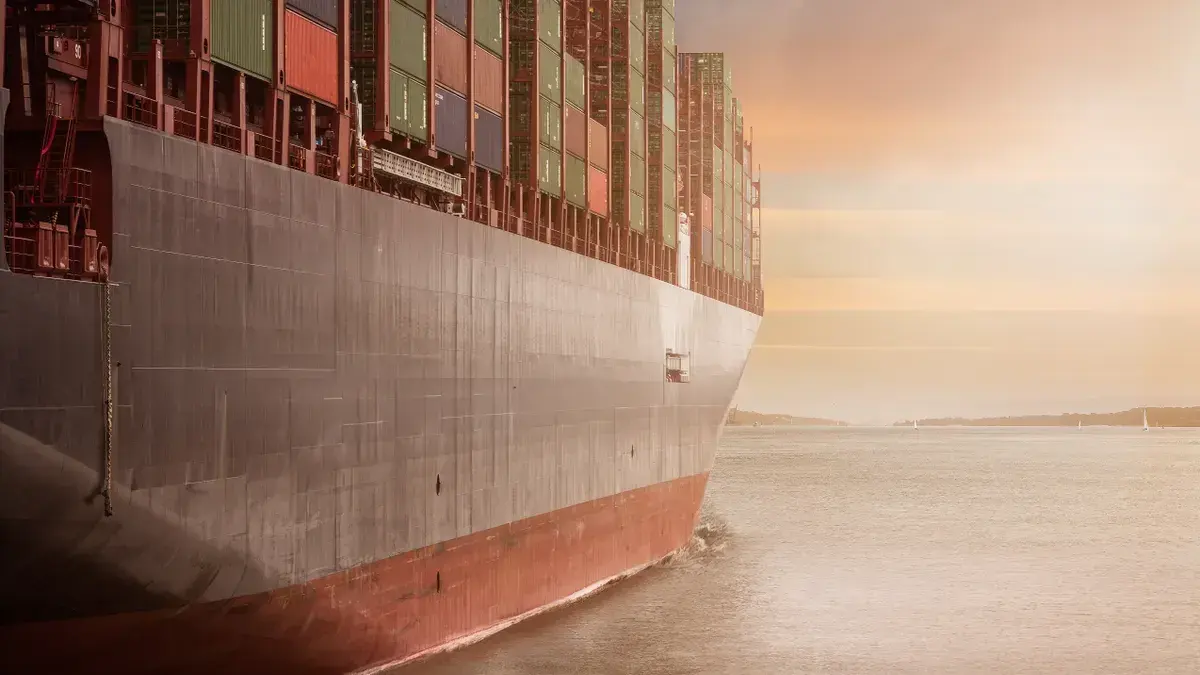
Shipping to Spain is an import operation, not a parcel purchase. You need a clear delivery point, a complete set of documents, a route that fits your stock plan and a written agreement on who handles customs and problems. DDP can make coordination simpler, but only if the scope is transparent.
In short
- Decide the destination and who is responsible for delivery before asking for quotes.
- Compare DDP with other terms on total landed cost and control over documents.
- Plan inspection, customs questions, storage and last-mile exceptions before dispatch.
Define the shipment before you ask for a quote
Give every provider the same information so the quotes are comparable:
- Product category, SKU count, quantity, value, dimensions, weight and packaging.
- Supplier location and expected cargo-ready date.
- Delivery address: Spain warehouse, distributor, 3PL or another agreed point.
- The date you need it and whether it supports a launch or a replenishment.
- Inspection, insurance, labeling, document and special-handling needs.
A quote built on incomplete data may change later, so make the assumptions visible.
DDP or a more fragmented process
| Question | What to clarify |
|---|---|
| Cost scope | Are freight, customs charges, duties, taxes, local delivery, insurance and handling included? |
| Documents | Who prepares, checks, submits and stores them? |
| Importer responsibility | Who handles destination declarations, product information and any professional review? |
| Exceptions | Who answers customs questions, inspections, delays, damage or delivery changes? |
| Warehouse handoff | When can the goods be received, counted and sent on? |
With these answers, DDP is a real operating model and not a vague "all-inclusive" promise. If the quote says DDP, name the delivery point and check the seller can meet the agreed responsibilities (see the ICC explanation of DDP).
A responsibility sheet
Make one row for supplier release, pickup, export documents, main carriage, import coordination, destination handling and final receiving. For each, name the company, the decision owner, the required document and the escalation contact. The team arranging your freight may coordinate a customs representative without being that representative, so ask who reviews product information, who submits the declaration and who handles requests for extra evidence.
Check importer information before dispatch
Ask the importer and the customs representative to confirm the identifying information for the transaction. Spain's tax agency explains EORI registration, and the European Commission's import guidance explains that customs clearance and product requirements must be dealt with before goods enter the market. A tax number or a past parcel doesn't prove the current shipment is ready.
Review the commercial invoice, packing information, transport details and any product-specific records with the specialist. If carton quantities change after the first packing list, update the final record and tell the coordinator. When goods from several suppliers are consolidated, keep their identities and values apart, and don't simplify descriptions so much that they no longer identify the goods.
Prepare the Spanish receiving point
Confirm address, warehouse contact, booking process, unloading, opening hours and vehicle or pallet limits, and agree how advance shipment information reaches the team. A quote that ends at a port doesn't cover everything needed for stock to be available at your distribution center.
Test the plan with a hypothetical problem: the truck arrives but the appointment reference is missing. Who corrects it, can the warehouse accept the load, and who approves redelivery or extra handling? Decide it before booking, not at the gate. Give the warehouse a checklist separating quantity, visible damage, product identity and inspection holds, and keep the photos: signing for the delivery and accepting product quality are different things.
Close the shipment
Match the purchase order, released quantities, packing list, delivery evidence, warehouse receipt and final invoices. Record shortages, damaged cartons, extra charges and open document questions, each with an owner and next step. If most delays came from supplier readiness or document corrections, changing the transport mode won't fix them.
FAQ
Is DDP the best option for every China-to-Spain shipment?
No. It may simplify coordination, but the best choice depends on cargo, volume, your own capabilities, cost, documents and destination requirements.
What causes the most avoidable delays?
Incomplete or inconsistent documents, unclear product information, wrong shipment data, missing delivery instructions and nobody owning customs questions.
Should goods be inspected before shipping to Spain?
A risk-based inspection before release can catch specification, quantity, packaging and visible quality problems before the goods enter the international route.
Keep reading
 Shipping & customs
How to cut China freight costs without hurting your service
The cheapest carrier is rarely the cheapest shipment. Start with accurate cargo data, consolidation and packaging, then compare total landed cost.
Read article Shipping & customs
Shipping from China to Japan: speed, cost and service
Fast transit is not a shipping plan. Choose by receiving date, compare the full route and prepare documents before the cargo leaves.
Read article Shipping & customs
China to Spain freight: air, sea, rail or DDP?
The best option depends on your cargo and the promise you need to keep. Compare modes and DDP by full landed cost and responsibility.
Read article