
How to cut China freight costs without hurting your service
The cheapest carrier is rarely the cheapest shipment. Start with accurate cargo data, consolidation and packaging, then compare total landed cost.
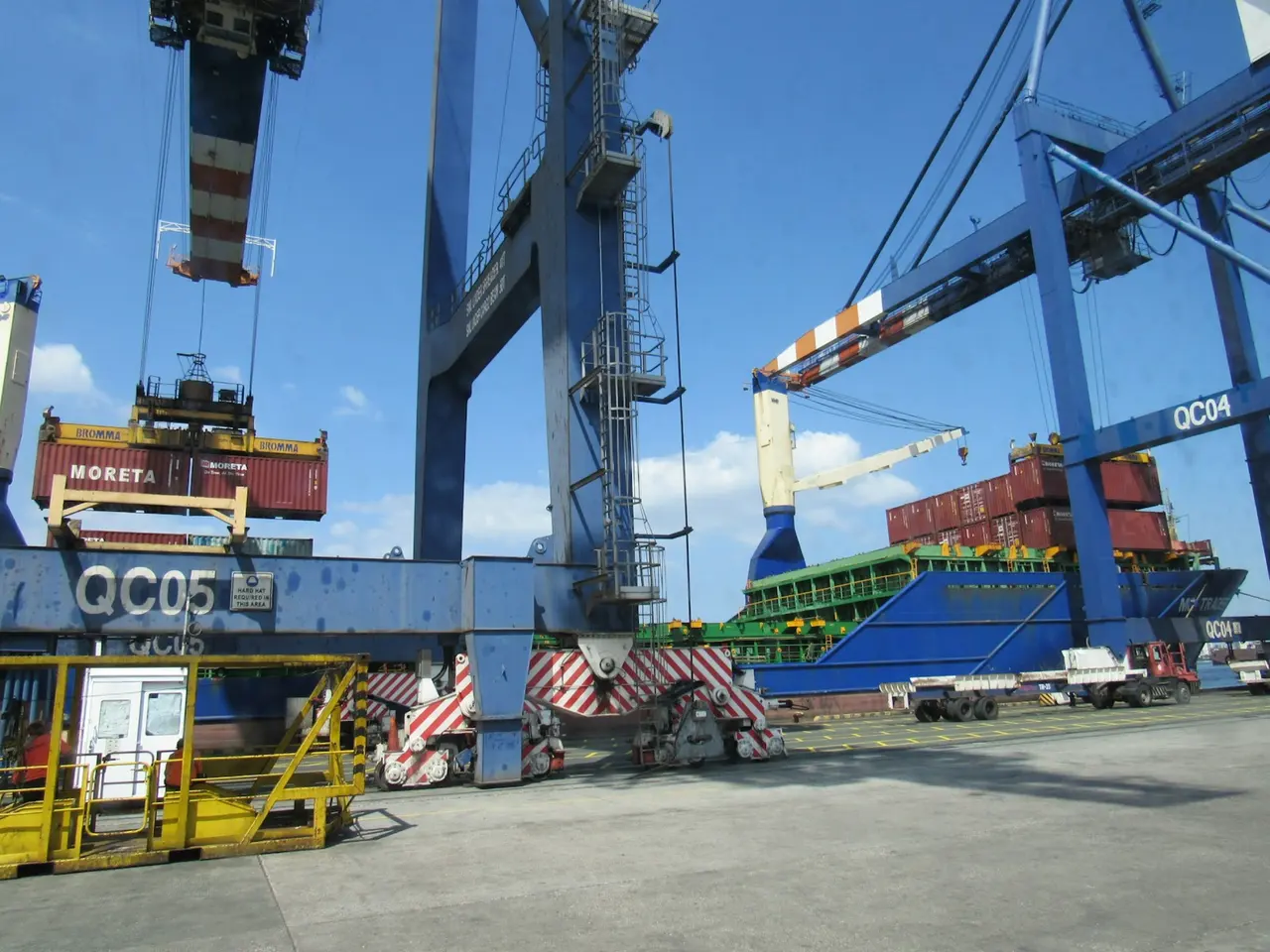
Cutting freight costs is a trade-off, not a hunt for the cheapest carrier. A low rate that ends in damaged goods, stockouts or late deliveries costs more than the one you saved.
In short
- First remove avoidable chargeable weight and split handling.
- Compare total landed cost and reliability, not only the freight price.
- Consolidate and plan routes when your cargo pattern allows it.
Where the cost comes from
Freight cost depends on dimensions, packaging, weight, volume, route, mode, minimum charges, handling, storage, customs, local delivery and urgency. Before you negotiate a rate, check that your cargo data is right and whether several supplier shipments could travel together.
Start with an accurate cargo record
Ask the supplier or warehouse for the final packed measurements, gross weight, carton count, packing configuration and cargo-ready date. Product dimensions are not the same as the transport pack. If the packaging changes after the quote, ask for an updated one: a low rate based on incomplete data may not apply to what actually ships.
Also confirm handling restrictions, special cargo characteristics and documents, and ask each provider which measurement and charging basis it used. Do not compare numbers that describe different services.
Ways to reduce cost without losing control
- Improve cartons and packing without reducing protection.
- Bring all supplier deliveries into one receiving and consolidation window in China.
- Compare air, sea, rail, express and DDP on landed cost.
- After each shipment, review the real cost and any damage or delays.
Consolidation versus timing
Consolidating supplier receipts can remove repeated minimum charges and duplicate handling. But waiting for the last supplier delays the earlier goods. Decide which products can wait and which need to go separately, and don't let one supplier's delay hold every market's stock.
An invented example: two separate shipments cost 900 each, while consolidating costs 1,400 plus 150 of extra handling and storage. The saving is 250. If waiting forces an extra urgent shipment, count that too. (Made-up numbers, not current rates.)
Test packaging changes
Check that a new carton really saves space or handling, and that it still protects the product and stacks properly. Ask for a trial pack. Removing protective material can lower the invoice and raise damage and replacement costs.
Have your Spain or Japan receiving team review any change in carton size or quantity. A smaller pack can create extra sorting at destination if it no longer matches your replenishment unit.
Fix the urgency, not just the route
Look at why past shipments became urgent: late sample approval, missing documents, missed production milestones or unreliable stock records. Each needs a different fix. Picking a faster route every time hides a planning problem and makes the logistics budget impossible to control.
After delivery, compare the quote with the final invoice and with the units you actually accepted. Track cost per ordered unit and per sellable unit. Record expedited shipments separately, with the reason, so an average doesn't hide recurring emergencies.
FAQ
Does consolidation always reduce cost?
No. It can cut repeated freight and handling, but storage, waiting time, repacking, minimum charges and delivery timing all count.
Should I choose the lowest freight quote?
Only after confirming it covers the same cargo data, scope, route, documents, delivery point and exceptions.
Can better packaging lower freight cost?
It can reduce dimensional weight or damage, but test it for product protection and warehouse handling first.
Keep reading
 Shipping & customs
Shipping from China to Spain: DDP, customs and delivery, step by step
Plan China-to-Spain shipping as an import operation. What to define before quoting, how DDP compares and how to close each shipment.
Read article Shipping & customs
Shipping from China to Japan: speed, cost and service
Fast transit is not a shipping plan. Choose by receiving date, compare the full route and prepare documents before the cargo leaves.
Read article Shipping & customs
China to Spain freight: air, sea, rail or DDP?
The best option depends on your cargo and the promise you need to keep. Compare modes and DDP by full landed cost and responsibility.
Read article