
Factory or trading company in China: which is right for your business?
Factories give you lower prices and control; trading companies give you small orders and faster answers. How to tell them apart and when to choose each.
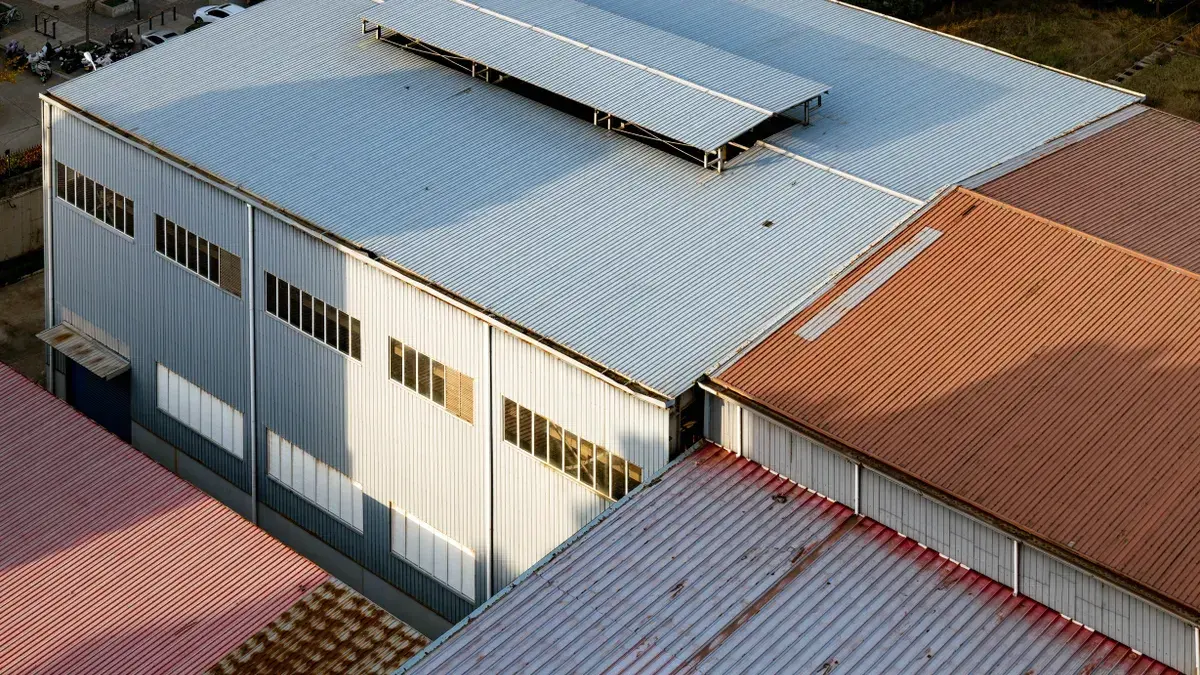
Should you buy from a factory or from a trading company in China? It depends on what you need, how big your order is, whether you want custom products and how much risk you can take. Factories usually ask for a minimum order quantity (MOQ) to cover their setup costs, so they suit bigger orders. Trading companies suit smaller ones.
In short
- Pick a factory if you buy in volume. You save money and have more control over how things are made.
- Pick a trading company if you buy less and want faster communication, especially for varied products.
- Always check that your supplier is real: look at the business license and whether they can make what you need.
- Know the risks of each option: quality problems and communication gaps.
What is a factory?
A factory owns the machines and controls production. You deal with the maker, so you can ask for design changes or custom items, and the factory checks quality itself. Most factories focus on one main product type (LED lights, office chairs). You can see the production area, there is no middleman margin, and you get better protection for your ideas. The catch: factories usually want bigger orders, and their English may be limited.
Tip: a real factory can show you where it makes things and give you certificates in its own name.
What is a trading company?
A trading company is the middleman between you and the factory. It doesn't own production lines. It buys from many factories and sells to you, so it can offer many product types (kitchenware, toys, electronics, clothing) and combine orders so you can buy smaller quantities. Trading companies often speak better English and reply faster. But they depend on factories for making and checking products, they add a margin, and they may not know, or tell you, which factory made your goods. If something goes wrong, the blame can bounce back to the factory.
How to tell them apart
- Ask for the business license and check whether it says manufacturing or trading.
- Look at the company name: factories often use words from their industry.
- Check prices: a real factory can give you a cost breakdown.
- Check order rules: factories want bigger orders because of how they work.
- Ask to visit, or to see the factory on a video call.
- Check certificates: they should carry the supplier's own name as maker.
- Look at the address: a real factory is usually in an industrial area.
Also look at what they sell. A factory makes one main thing and its website is simple. A trading company sells many unrelated categories and often looks more polished.
| Factor | Factory | Trading company |
|---|---|---|
| Unit price | Lower | Higher (often 5–30%) |
| MOQ | Higher | Flexible |
| Production control | Direct | Indirect |
| Communication | May need translation | Strong English |
| Quality oversight | Full access | Limited |
| Custom development | Yes | Limited |
| Speed of response | Variable | Faster |
| IP protection | Higher | Lower |
| Accountability | Clear | Can be passed on |
Both need a business license. For special products (food, medical) check the extra permits too.
Price, customization and communication
Price. Factories give lower prices: you pay for materials, labor and overhead, nothing more. Trading companies add a markup that depends on how complex the product is, roughly 15–18% for commodity items up to 25–30% for complex ones (rough ranges, not rules). Always ask for a cost breakdown and compare the total, not just the unit price.
Customization. Factories can change materials, designs and packaging. Trading companies mostly sell what is already made. If you want something special, go to a factory; if you want standard items, a trading company gives you more choice.
Communication. Factories may reply in 12–24 hours by email, sometimes faster by chat, but not always outside work hours. Use short, simple sentences and number your questions. Trading companies explain more and reply faster. In both cases, trust helps: suppliers who trust you give better service.
Risk and reliability
With a factory you can see how the product is made and check quality yourself, and the factory is accountable for mistakes. With a trading company, quality depends on factories you may never meet, and problems may not reach you. Factories have risks too: logistics mistakes, compliance failures, bad inventory and cash flow planning, and IP protection gaps if no legal steps are taken. Whichever you choose, ask how the supplier controls quality, ask for inspection reports and visit if you can.
When to choose which
A factory fits if you order large amounts and want a lower unit price, want to check quality and see production, need custom designs or your own brand, want to protect your ideas, have someone in China to help you communicate, and care about a long-term relationship.
A trading company fits if you want to test products before buying a lot, sell many kinds of goods, need several factories at once, want better English and faster answers, or have no one in China to help you buy or visit.
A dropshipping store with a wide catalog will usually do better with a trading company that handles small orders and ships to customers. An ecommerce brand that needs special packaging or its own label will do better with a factory it can control. For big orders, factories give the best price and the best chance to check quality.
Verify the supplier
Whatever you pick, verify. Our team can visit the factory, check the business license, look at machines, workers and production, review quality certificates and test samples against your requirements. Warning signs to watch for:
- A factory with too much empty space or too few orders.
- Lead times getting longer for no clear reason.
- Layoffs before Chinese New Year, late wages or growing staff turnover.
- Sudden changes to payment terms.
- Quality getting worse.
- Phone calls and emails going unanswered.
- The factory moving without telling anyone.
- More customer complaints than usual.
Before you decide:
- Check the license and registration.
- Look at capacity and main products.
- Ask for quality system certificates.
- Order samples.
- Negotiate on quality, not only price.
- Confirm the address and visit if you can.
- Set weekly updates on your order.
- Make sure the factory provides clear shipping documents.
- Choose your freight forwarder early.
FAQ
What is the main difference between a factory and a trading company?
A factory makes the goods itself. A trading company buys from factories and sells to you. Factories usually have lower prices, trading companies give you more choice and smaller orders.
How do I check that a supplier is real?
Ask for the business license, check the address, request certificates and samples, and ask to see the factory. We can visit factories, check documents and give you an audit report.
When should I use a trading company instead?
When you want to buy small quantities or many kinds of products, and you want help finding suppliers and communicating in English.
How does Fishgoo help with quality control?
We check products before they ship: inspecting items, taking photos and reviewing supplier records, so you receive a report and know what you are getting.
Keep reading
 Sourcing & suppliers
How to find a reliable supplier in China (and avoid the usual traps)
A practical checklist to shortlist, verify and test Chinese suppliers before you place your first real order.
Read article Sourcing & suppliers
How to negotiate MOQ in China and build a first order that works
A supplier's minimum order is not a fixed rule. Learn what sets it, what you can change, and how to compare a pilot order with the full MOQ.
Read article Sourcing & suppliers
Private label in China: how to launch your brand without losing control
Putting your logo on a product is the easy part. Define the brief, protect your designs and approve the first batch with evidence.
Read article