
How to find trustworthy manufacturers in China in 2026
Define your specs, find suppliers on platforms, at trade shows and through agents, verify licenses, test with samples and protect your payments.
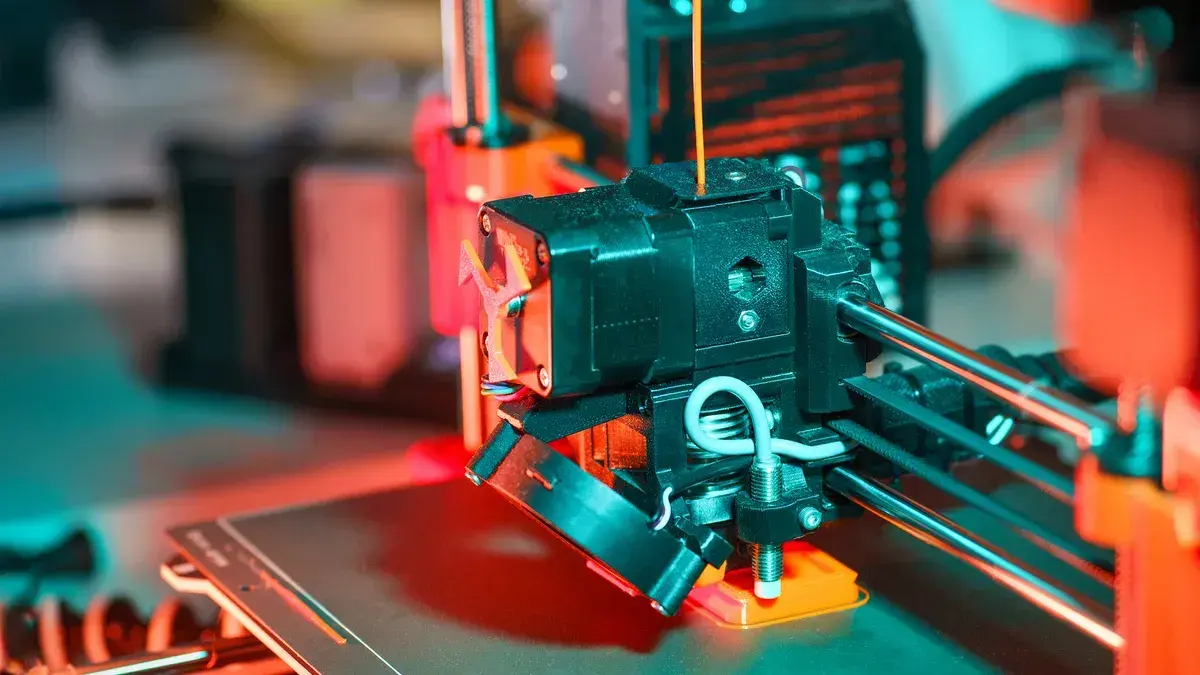
Finding manufacturers in China is the easy part. Finding trustworthy ones takes a process: know exactly what you want, look in the right places, verify credentials, test with samples and structure payments to protect yourself. Most importers run into the same three problems: shipping and customs, quality and inspections, and payments and exchange rates.
In short
- Define your product clearly before you contact anyone.
- Check licenses and certifications, and confirm the documents are real.
- Order samples and run a pilot before a big order.
- Build the relationship through clear communication and regular check-ins.
Why China
- Many suppliers are clustered in places like Shenzhen and Dongguan, which means faster production and lower shipping costs.
- Labor costs are higher than before, but prices remain competitive in categories like electronics and textiles, and other countries often have hidden costs.
- Strong technical skills and investment in automation help you get innovative products.
- Factories are close to ports and roads, which makes it easy to ship worldwide.
- Manufacturers can turn ideas into products very quickly, which matters when markets change fast.
You'll also see manufacturing clusters sharing know-how, more digital tools for finding suppliers (live factory tours, B2B directories, short videos), factories using systems to track each step of production and a growing focus on environmental reporting.
Define your needs first
Write down your product's size, color, material and features. Separate must-haves from nice-to-haves, and send photos, sketches or drawings: pictures save time and mistakes. Set quality standards, ask suppliers about their quality control steps and check that your product meets the export and compliance requirements of your market. Ask suppliers for proof of the documents that apply, and review their certificates and past records.
Where to find manufacturers
B2B platforms and directories. Made-in-China.com connects you to factories, especially for machinery and industrial goods; Global Sources focuses on electronics and consumer products with vetted suppliers; 1688.com is the domestic Chinese platform with lower prices. The Canton Fair also has company profiles and product lists online. Compare suppliers on these sites and check their profiles carefully.
Sourcing partners. We can take product links from Taobao, 1688 and Alibaba, speak to suppliers, negotiate and manage several suppliers for you. Image search lets you find similar products from a photo, and real quality photos let you verify before shipping.
Social media and networks. LinkedIn groups about sourcing and manufacturing in China share supplier tips and news, and trade magazines help too. WeChat and Facebook let you watch factory videos, read reviews and ask questions. Always check profiles and reviews first to avoid scams.
Trade shows. Meeting manufacturers face to face lets you see products and check quality yourself. The big ones include the Canton Fair in Guangzhou (spring and autumn), the CIIE in Shanghai (November), the CIIF in Shanghai (September), the Yiwu International Commodities Fair (October) and the East China Fair in Shanghai (March). Check dates before you plan.
Sourcing agents. A good agent knows reliable suppliers, bridges language and culture gaps, focuses on quality control and saves you time. Whoever you meet, ask for samples and certificates.
Verify credentials
Licenses and certificates. Ask for the business license and export certificates, and look for certifications that fit your market: CE marking (EU health and safety), RoHS (hazardous substances in electronics), REACH (chemicals), EMC (electromagnetic compatibility) and others. Check the documents are genuine: many new importers skip this. You can also ask for VAT invoices as a sign of sound financial records. Get the factory's Chinese name and registration number so you can check it against official records.
Audits and inspections. Hire an inspector, or use an agent, to visit the factory and report on machines, quality checks and legal papers. If you can't visit, ask for a virtual tour and compare the photos and videos with official records. Be careful if a supplier refuses an audit or won't share their registration number.
References. Ask for a list of previous clients and talk to them about delivery, quality and communication. Record what you learn in a table to compare suppliers, and check online reviews across several sources.
To protect yourself from fake manufacturers: check licenses, confirm certificates, audit the factory, keep deposits modest for new suppliers and link further payments to production milestones, consider a letter of credit for large orders, include arbitration terms in the contract and look at trade credit insurance.
Quality and partnership
Samples and pilot runs. Test before you buy a lot. A pilot run is a small batch (tens or hundreds of units) made like a full order: same materials, machines and workers. Watch how fast they work and how many mistakes occur, find and fix problems, and scrap or rework defective pieces. Check samples against your list of requirements and ask for changes before the big order.
Quality control. Check goods at several stages, including before shipping, since typical problems are wrong materials and labels. We check every item at our warehouse with clear photos, offer video checks for details and special areas like seams or soles, and if something fails we return it to or swap it with the seller. Warehousing helps you consolidate orders and catch problems early, before costly international returns.
Negotiation and communication. Meet in person if you can, be patient (decisions take time), learn a few Chinese words and use a translator when it matters. Use simple English and write things down. WeChat is great for quick messages and trust; email is better for contracts and important documents. Keep both as records and write down every agreement. Monitor production and ask for checks at each step; never skip pre-shipment checks.
A simple checklist: response time and clarity, business license check, sample evaluation, certificates, references and audit.
FAQ
How do I start a supplier search in China?
Write down what you need to buy. Use trusted B2B sites or sourcing tools to find suppliers, check profiles and reviews and then contact them.
Why is China a global manufacturing hub?
It has many factories, skilled workers and advanced technology, and you can find almost any product there, often with quick production and competitive prices.
Which documents should I check?
Business licenses, export papers and quality certificates, before you order anything.
How do I build long-term supplier relationships?
Communicate clearly, pay on time, visit if you can, give feedback and solve problems together.
What's the best way to check quality before shipping?
Order samples and request quality checks, from a third-party inspection service or your sourcing partner.
Keep reading
Sourcing & suppliersHow to find a reliable supplier in China (and avoid the usual traps)
A practical checklist to shortlist, verify and test Chinese suppliers before you place your first real order.
Read article Sourcing & suppliers
How to negotiate MOQ in China and build a first order that works
A supplier's minimum order is not a fixed rule. Learn what sets it, what you can change, and how to compare a pilot order with the full MOQ.
Read article Sourcing & suppliers
Private label in China: how to launch your brand without losing control
Putting your logo on a product is the easy part. Define the brief, protect your designs and approve the first batch with evidence.
Read article