
Why EU customers refuse international packages, and how to prevent it
Surprise customs fees are the top reason for refused parcels. Show total costs at checkout, use DDP and get your customs paperwork right.
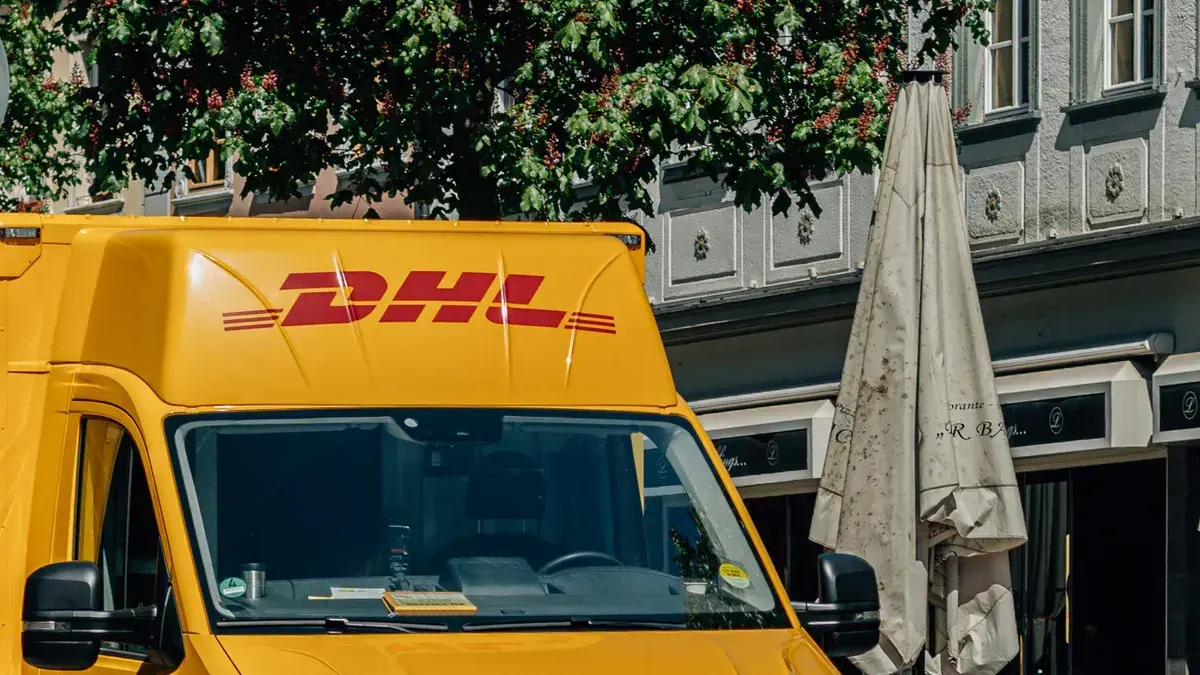
It's a bad feeling when an EU customer refuses your package because of a surprise customs fee. You pay for the shipping and the return, you lose the sale and you may get a bad review. This is one of the most avoidable problems in cross-border ecommerce.
In short
- Tell customers about all customs fees before they pay.
- Use DDP (Delivered Duty Paid) so duties and taxes are paid up front.
- Make sure customs paperwork is correct, to avoid delays and refusals.
The cost of refusals
| Impact | What happens |
|---|---|
| Higher costs | You pay return shipping and possibly extra duties on every refused shipment |
| Lost revenue | Each refused parcel is a lost sale |
| Compliance risk | If duties aren't paid, you may face returns and penalties |
| Cart abandonment | Surprise fees at checkout, or the fear of them, make buyers leave |
| Customer experience | Bad experiences stop customers from buying again |
Why customers refuse
Unexpected fees. Most people think they've paid everything at checkout. When customs charges show up on delivery, they feel tricked and refuse the package.
Lack of transparency. Even a small duty can upset a customer if it's a surprise. They don't mind paying, but they want to know. If you collect all duties and taxes at checkout, you get fewer failed deliveries.
A confusing process. Wrong customs papers or an invalid IOSS number can make a customer pay VAT twice. Couriers then pay extra for returns or storage, and sometimes goods are destroyed if they can't clear customs.
How to prevent it
1. Be clear about fees at checkout
Show customs fees, duties and taxes before the customer pays. Use plain words. Examples:
- True DDP: "Our prices are fully inclusive of all tariffs, import duties and local taxes (like VAT) for worldwide delivery. The price you see is the price you pay, with no extra charges on receipt."
- Duties covered, VAT collected: "We cover all import duties and tariffs for your order. For customers in the EU, UK and other regions, applicable VAT is calculated and collected at checkout. No additional customs fees will be charged on delivery."
2. Use DDP shipping
With DDP you pay shipping costs, duties and taxes before the package is sent, so your customer gets it with no extra fees or forms. It also makes customs checks faster and cuts refusals, and customers like knowing the full price. DDP removes a main reason shoppers avoid buying from other countries.
3. Get the paperwork right
Many refusals trace back to mistakes in customs forms or missing documents. Every shipment needs the right commercial invoice, customs form, packing list and any required certificates. Common mistakes:
- A wrong commodity (HS) code, which makes duties wrong.
- Missing papers, which cause delays and extra fees.
- Declaring goods at less than their value, which is illegal and can block your package.
- Incomplete or wrong customs forms, which slow customs checks.
- Forgetting the certificate of origin, or confusing the country of origin with the shipping country.
Check your documents before shipping. We review paperwork and inspect goods before they ship, so mistakes are found early.
4. Keep up with EU rules
EU customs rules for low-value parcels are changing. Reported changes include the removal of the duty exemption for low-value shipments, a fixed customs duty of €3 per item category on parcels from 1 July 2026 and a further per-parcel handling fee from 1 November 2026, with VAT calculated on the full value including duties. Check the official EU sources for the current rules, since they change. To keep up:
- Review your low-value parcels to see which products are affected.
- Recalculate total costs per order.
- Review your carrier plan to avoid slow postal lanes.
- Improve your HS classification process.
- Update checkout to show prices with duties included.
- Tell your customers about possible duties and VAT.
- Use electronic shipping and customs data to keep information accurate, and review your IOSS setup.
Common problems and fixes
| Problem | Fix |
|---|---|
| Inconsistent product values | Match values across all documents |
| Wrong HS code | Verify codes in the EU TARIC database |
| Missing IOSS for B2C orders | Register for IOSS |
| Product restrictions overlooked | Check certifications before shipping |
| Poor document consistency | Keep a master record for all details |
FAQ
What is DDP and why does it matter for EU orders?
DDP means you pay all customs fees up front. Your EU customers receive their package with no surprise charges, so they are happier and more likely to accept delivery.
How can I reduce EU delivery refusals?
Show all fees at checkout, use DDP, check your customs paperwork and update your process for new EU rules.
Can you help with customs paperwork?
Yes. We can check your documents and help you avoid mistakes in invoices, customs forms and more.
Keep reading
 Shipping & customs
How to cut China freight costs without hurting your service
The cheapest carrier is rarely the cheapest shipment. Start with accurate cargo data, consolidation and packaging, then compare total landed cost.
Read article Shipping & customs
Shipping from China to Spain: DDP, customs and delivery, step by step
Plan China-to-Spain shipping as an import operation. What to define before quoting, how DDP compares and how to close each shipment.
Read article Shipping & customs
Shipping from China to Japan: speed, cost and service
Fast transit is not a shipping plan. Choose by receiving date, compare the full route and prepare documents before the cargo leaves.
Read article